A rugby player is not built by the weight room alone. Spend an hour watching a Sunday league match in northern England and you'll see it: the flanker who looks like he hasn't touched a barbell in years but reads the breakdown like a detective. The fly-half with a slight frame who kicks the ball sixty metres off a single step. Physical metrics tell you something, but they miss the core of what a rugby player actually is.Take the amateur club I observed last season. Their tighthead prop weighed 118 kilograms and could barely run a sub-six-minute mile, yet he never lost a scrum engagement. His secret wasn't brute strength—it was timing. He'd wait for the opposition's bind。then drop his hips a fraction of a second before the drive. That kind of knowledge doesn't come from a coaching manual. It comes from years of getting pushed backwards until the body just figures it out. A rugby player's intelligence is muscular and spatial, not just tactical. The best ones see the game two phases ahead, their eyes scanning ruck shapes while everyone else watches the ball.
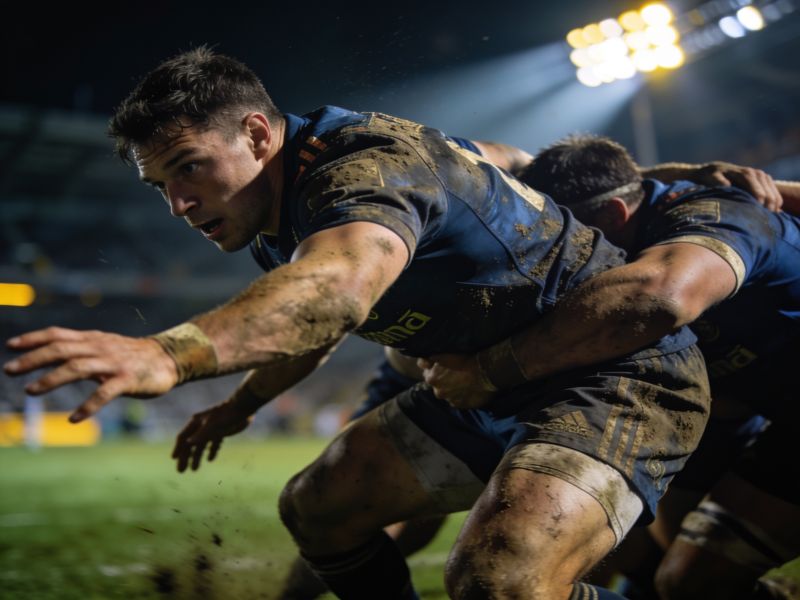
Then there's the durability question. A professional rugby player absorbs roughly 60 to 80 high-impact collisions per match. I've seen a centre play an entire season with a torn labrum because surgery would have ended his contract year. That's not bravery—it's a cold calculation many players make in leagues with limited medical support. The sport demands a strange relationship with pain: you need enough recklessness to tackle a running prop head-on, but enough discipline to do it with the correct shoulder height. Most players I've spoken to say the mental reset after a heavy hit matters more than the hit itself. One second you're on the ground, the next you're back in the defensive line. Learning to flip that switch quickly defines a rugby player's longevity more than any squat number.Position shapes character in ways fans underestimate. Back-row forwards develop a kind of relentless, thankless work ethic—they make 20 tackles and carry the ball eight times, and nobody remembers their name unless they miss an assignment. Outside backs live on fewer touches but higher consequence: one missed tackle, one dropped pass。and the scoreboard changes. I've noticed that rugby players who switch positions late in their careers often struggle not with skills but with identity. A winger moved to fullback suddenly has to organize a defensive line. That's a social role as much as a technical one.Rugby player development, at its best。is slow and unglamorous. Academies can teach passing and tackling technique in eighteen months. They can't teach a player to want the ball when the team is down twelve points with five minutes left. That appetite shows up in players who grew up playing on frozen pitches with no spectators, not in highlight reels. Watch a rugby player warm up before a match—not the stretches, the way they talk to teammates. The ones who are constantly pointing, correcting, encouraging are the ones who will still be playing at thirty-five. The others fade once their speed drops. Skill gets you selected;that stubborn, communicative streak keeps you in the squad.